Hypochlorous Acid as a Topical Treatment Approach for Trichomonas Vaginalis Infection
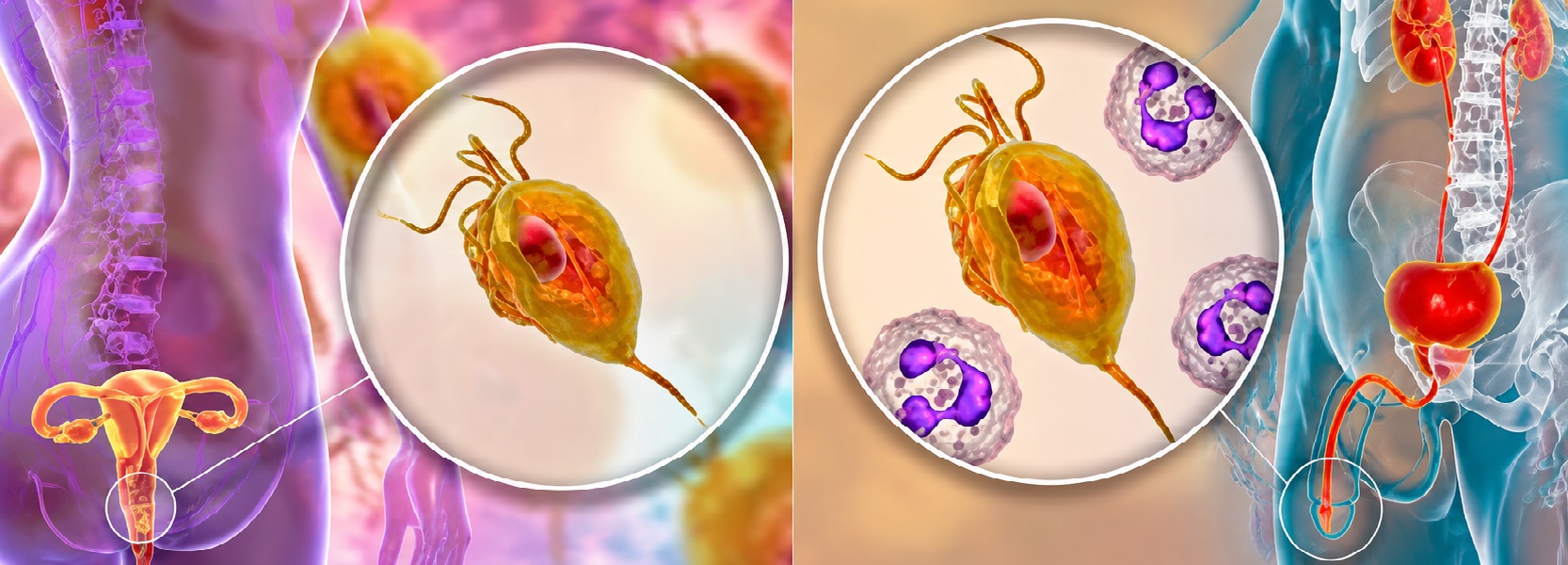
Trichomonas vaginalis (TV) is a common sexually transmitted parasitic infection (STD) that causes persistent infectious problems in adult women and affects the vagina, urethra, and endocervix. Parasitic infection can also cause prostatitis, epididymitis, and reduced sperm motility in men, and is therefore considered one of the factors contributing to infertility in women.
Recent studies have shown that this parasite may also have a potential impact on prostate and cervical cancer. The World Health Organization has reported a high prevalence rate of 276 million new cases per year. Nitroimidazoles, including metronidazole or tinidazole, are among the common drugs used to treat TV. However, due to the increasing spread of infections and the growing concerns about resistance and side effects caused by antibiotic use, researchers are seeking alternative treatment methods. Recent studies suggest evaluating the effects of natural and industrial antiseptic substances other than antibiotics in the treatment of trichomoniasis.
In this study, considering the effectiveness of hypochlorous acid (HOCl) in eliminating various types of pathogenic microorganisms, the effectiveness of stabilized HOCl against Trichomonas vaginalis (TV) was evaluated under laboratory conditions. In this research, a commercial stabilized HOCl produced through the reverse reaction of sodium hypochlorite and hydrogen peroxide was used at a concentration of 218 ppm. This experiment was performed to determine the effective dose (dilutions from 1/2 to 1/32) of stabilized HOCl at different exposure times (0 to 90 minutes) to evaluate the survival of Trichomonas. Sterile washing serum was used as the negative control.
Laboratory results showed that the elimination of TV trophozoites (the parasitic form) depends on the dose and exposure time. The parasites were killed at dilutions of 1/2 and 1/4 (HOCl) at time zero minutes (and subsequently at other time intervals). However, at dilutions of 1/8, 1/16, and 1/32, a reduction in Trichomonas survival occurred at longer exposure times, and essentially no effectiveness was observed at the dilution of 1/64.
Due to its strong microbicidal effect against a wide range of microorganisms, stabilized HOCl has been widely recognized as an effective treatment in many fields, and this laboratory study demonstrates the topical use of stabilized HOCl solution.
Sanitizon Specialized Antiseptic Solution based on HOCl, according to the conducted research, has a high ability to eliminate Trichomonas vaginalis and is therefore suggested as an adjunctive treatment method for combating Trichomonas vaginalis infection.