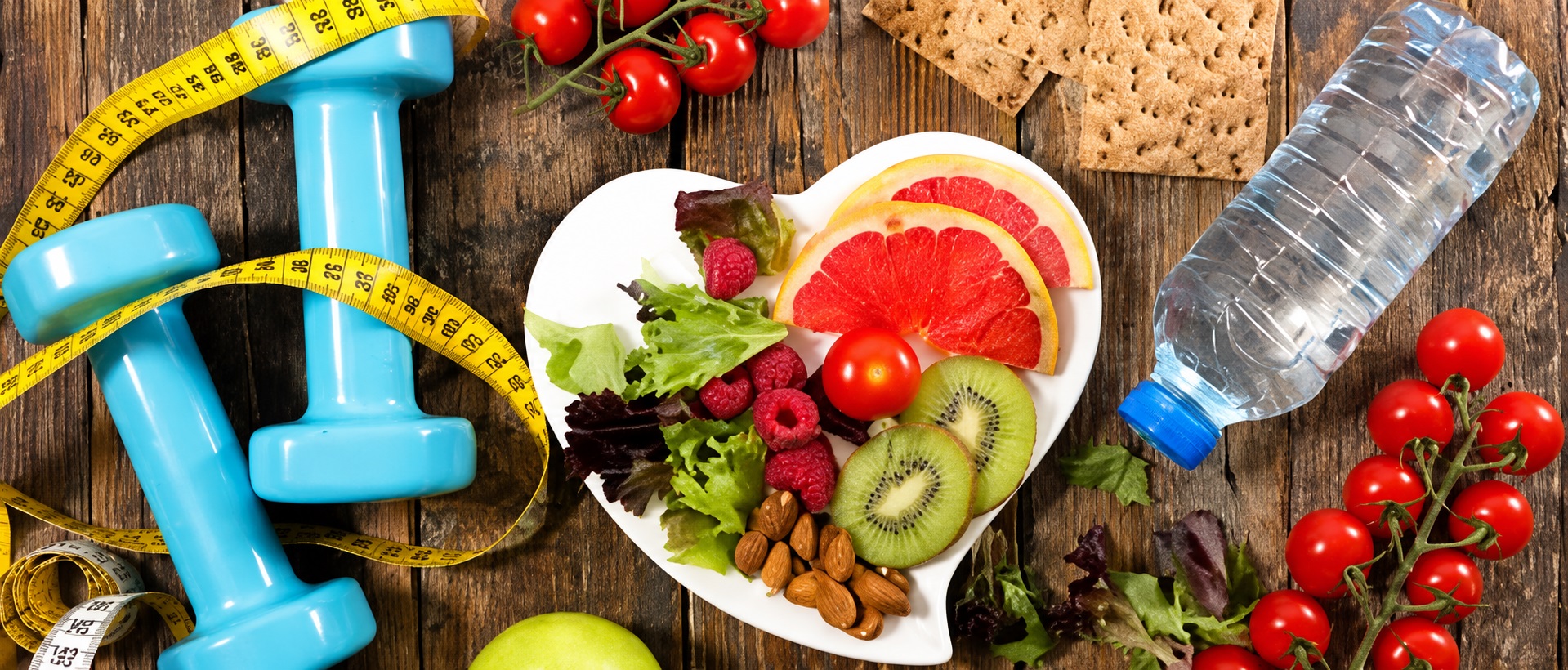
How can we build an anti-infection lifestyle with simple and smart measures?
To maintain a healthy and infection-free lifestyle, it is essential to observe points that may seem simple and obvious at first glance. Lifestyle is a collection of habits, behaviors, and choices that every individual has in their daily life. This way of life is directly related to a person's knowledge and understanding of themselves and their surrounding society.
Lifestyle includes how an individual eats, exercises, sleeps, works, engages in social and sexual relationships, and even how they think. Lifestyle has a direct impact on physical and mental health, energy levels, happiness, and personal success. To have an anti-infection lifestyle, above all, one must pay attention to the principles of personal hygiene. Furthermore, strengthening the immune system through a healthy diet, regular exercise, and adequate sleep is crucial. Finally, to prevent specific infections such as vaginal infections, serious attention must be paid to genital hygiene and avoiding high-risk behaviors.
In recent years, new methods have been introduced to promote public sexual hygiene by utilizing the antimicrobial power of hypochlorous acid (HOCl). Due to its superior safety compared to other available antimicrobial agents, it has been formulated into cleansing products for genital skin. These methods are designed to eliminate the risk of sexually transmitted diseases (STDs) transmitted through contact before and after sexual intercourse and to cleanse the genital area.
Human sexual health is vital in an ever-changing world. Every day, sexually transmitted diseases (STDs) spread without borders, endangering the health and lives of thousands. The World Health Organization (WHO) reports that more than thirty different bacteria and viruses are transmitted through sexual contact. While contraceptives like condoms have been widely promoted since the 1960s, unclean or contaminated skin before and after sexual activity can carry viruses and bacteria on its surface, which may lead to contamination and infection.
The use of topical antiseptic solutions (such as topical iodine, chlorhexidine, hydrogen peroxide) has been recommended for years for wound and damaged skin care. However, due to low biocompatibility with sensitive skin, toxicity with repeated use, and side effects, daily use of these solutions for cleaning the genital skin during sexual activity is not recommended.
Therefore, there remains a need for new topical antimicrobial formulations and cleansing methods that are effective, safe for frequent use, capable of cleaning skin exposed to sexual contact, promoting public sexual health, and preventing cutaneous sexually transmitted diseases.
Studies have demonstrated the efficacy of hypochlorous acid against other common pollutants and pathogens found on the skin and in the genital area. An aqueous solution of hypochlorous acid with a concentration of 0.01% to 0.05%, when used as a skin cleanser, is 99.99% effective upon contact with the skin.
The 0.05% HOCl aqueous solution is intended for cleansing and eliminating the most common bacteria and viruses associated with skin-to-skin STDs (before and after sexual activity) and promoting public sexual hygiene. The 0.05% HOCl aqueous solution meets all requirements of antimicrobial efficacy testing.
In recent years, given the increase in antibiotic resistance and the high rate of sexually transmitted infections, efforts to find new biocidal materials and novel therapeutic strategies to control infectious diseases have increased. It is also essential to use alternative methods such as plant-based or other antiseptic compounds in treating diseases. In this regard, the use of compounds that are naturally produced in the body to fight infections, and which can be produced industrially, has attracted the attention of researchers. Among these compounds, HOCl is notable, which is used as the primary biocide in the Sanitizon product.
Sanitizon Antiseptic Vaginal Solution is suitable for eliminating annoying vaginal discharge and helps in washing and cleaning vaginal discharge after sexual intercourse or after the menstrual cycle. This solution can be used while sitting on a toilet or standing while showering.