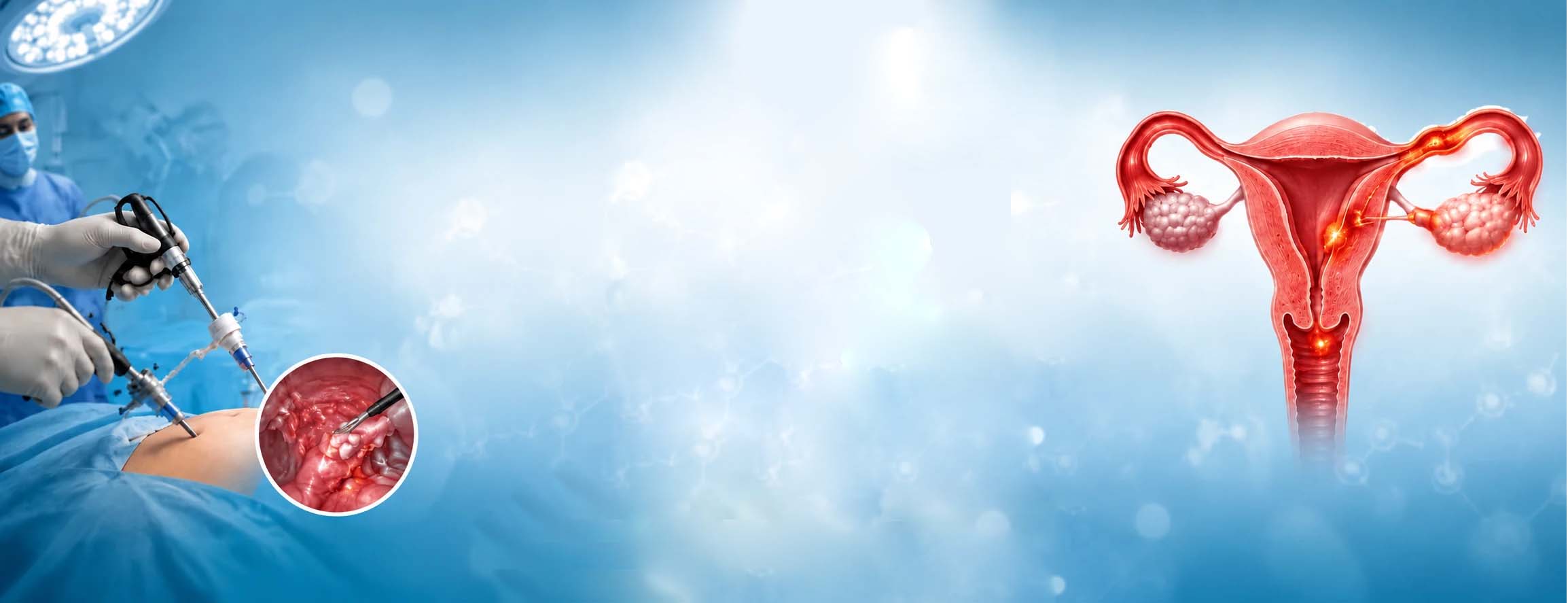
Female Genital Infections and the Role of Surgical Intervention
Female genital and pelvic infections are among the most common reasons for visits to gynecology clinics worldwide and encompass a wide range of diseases; from simple vaginitis to Pelvic Inflammatory Disease (PID) and complex tubo-ovarian abscesses. While most of these cases improve with appropriate pharmacological treatment, surgical intervention becomes necessary in certain conditions to prevent complications such as sepsis, infertility, or tissue destruction.
Classification of Common Infections in Women
Vaginitis
Causes: Candida albicans, Bacterial vaginosis, Trichomonas vaginalis
Characteristics: Primarily limited to the vagina, rarely requires surgery
Cervical and Uterine Infections
Common Pathogens: Chlamydia trachomatis, Neisseria gonorrhoeae
Complications: Upward spread of infection to the tubes and development of PID
Pelvic Inflammatory Disease (PID)
Ascending infection of the uterus, fallopian tubes, and sometimes the ovaries.
Clinical Manifestations: Pelvic pain, fever, urinary sensitivity, purulent discharge.
Complications: Tubo-ovarian abscess, pelvic adhesions, infertility, ectopic pregnancy.
Postoperative Gynecological Infections
After Cesarean section, laparotomy, or hysterectomy.
Includes endometritis, wound cellulitis, pelvic abscess.
Indications for Surgical Intervention in Gynecological Infections
Although initial treatment is based on broad-spectrum antibiotics, the following cases require surgical intervention:
• Tubo-ovarian abscess (TOA) larger than 8 cm or resistant to medical therapy.
• Abscess rupture and signs of diffuse peritonitis.
• Postoperative infections with purulent collection requiring drainage.
• Necrotizing infections (such as perineal necrotizing fasciitis).
• Retained infected foreign body (suture material, surgical mesh).
Surgical Procedures Used
Laparoscopy
For drainage of small to medium-sized abscesses.
Advantages: Less invasive, reduces subsequent adhesions, shorter hospital stay.
Laparotomy
In emergency cases (abscess rupture, peritonitis, severe sepsis).
Allows for extensive drainage and hysterectomy or salpingectomy in advanced cases.
Vaginal Drainage or Interventional Radiology (CT-guided / US-guided drainage)
Especially in high-risk patients or those unsuitable for open surgery.
Important Considerations in Managing Post-Surgical Gynecological Infections
Prompt initiation of antibiotic therapy before deciding on surgery.
Antibiotic coverage against Gram-positive, Gram-negative, and anaerobic microorganisms.
Control of infection sources (Debridement) or removal of necrotic tissue.
Prevention of complications: Use of prophylactic antibiotics before major gynecological surgeries.
The Role of Antiseptics in Female Infections and Gynecological Surgery
1- In the Field of Infection Prevention
The most important application of antiseptics is in reducing the microbial load of the genital area and the surgical environment.
Preoperative skin preparation: Using Povidone-iodine, Chlorhexidine, or modern biocides to disinfect the abdominal skin and perineum before C-section or hysterectomy.
Vaginal and cervical disinfection: In some vaginal surgeries or hysteroscopy, vaginal irrigation with diluted hypochlorous acid solutions reduces the risk of postoperative infection.
Genitourinary infection prophylaxis: In patients with urinary catheters or long-term drainage, perineal disinfection is crucial.
2- In Treating Mild Superficial Infections
In uncomplicated vaginitis (such as fungal or mild bacterial vaginitis), local irrigations with antiseptic solutions containing hypochlorous acid can help reduce symptoms and microbial load, although they are not a substitute for systemic antibiotics or antifungals.
For skin infections or surgical sutures, washing the wound with antiseptics such as hypochlorous acid or hydrogen peroxide can prevent the progression of infection.
3- In Managing Postoperative Gynecological Infections
Antiseptics play a fundamental role in surgical wound care. Dressing wounds with antiseptic solutions significantly reduces the risk of surgical site infection (SSI).
In cases of small superficial abscesses, drainage combined with antiseptic irrigation may be sufficient.
4- Choosing the Right Antiseptic in Gynecology
Chlorhexidine: Stronger and longer-lasting effect than Povidone-iodine; less affected by blood or secretions.
Povidone-iodine: Remains the most widely used antiseptic agent in preparation for gynecological surgeries.
Alcohols (70% Ethanol or Isopropanol): Fast-acting, suitable for disinfecting hands and small equipment.
Hydrogen Peroxide: For superficial wounds and limited irrigation.
Comparison table of antiseptics used in gynecological surgeries
| Antiseptic Agent | Mechanism of Action | Advantages | Disadvantages/Limitations | Application in Gynecology and Gynecological Surgery |
|---|---|---|---|---|
| Chlorhexidine | Disruption of bacterial and fungal cell membranes, strong bactericidal effect | Fast and lasting effect, stability in the presence of blood and secretions | Potential for skin sensitivity or mucosal irritation, limited effect on spores | Preparation of abdominal skin and perineum before C-section/hysterectomy; vaginal disinfection before vaginal procedures |
| Povidone-Iodine | Release of free iodine and destruction of microbial protein and DNA | Broad spectrum (bacteria, fungi, viruses), accessible and inexpensive | Reduced effect in the presence of blood/secretions, potential for skin irritation | Vaginal irrigation before vaginal surgery; skin preparation before surgery; surgical suture care |
| Alcohol (70% Ethanol or Isopropanol) | Protein denaturation and dissolution of cell membrane lipids | Fast acting, leaves no residue, inexpensive | Rapid evaporation, short-term effect, ineffective against spores | Disinfection of surgeon's hands and operating team; disinfection of small and surface equipment |
| Hydrogen Peroxide | Production of free radicals, destruction of DNA and proteins | Suitable for superficial wounds, cleansing property | Limited effect on resistant organisms, mucosal irritation | Irrigation of superficial surgical wounds or small abscesses |
| Sodium Hypochlorite (Diluted Bleach) | Release of free chlorine, protein oxidation | Broad antimicrobial spectrum, fast effect | Corrosivity, severe skin/mucosal irritation, unpleasant odor | Mostly for tool and environment disinfection; less used on mucosa in gynecology |
| Potassium Permanganate (KMnO₄) | Oxidation of proteins and lipids | Mild antifungal and antibacterial property | Irritating, limited to local use | Local baths in fungal vaginitis or superficial perineal infections |
Key Points
The choice of antiseptic should be based on the site of application (skin, vagina, wound) and the patient's condition.
Antiseptics are more important in preventing rather than treating severe infections.
Today, hypochlorous acid-containing antiseptic products such as Sanitizon Antiseptic Vaginal Solution have gained an important place in infection control discussions by utilizing the host immune system.
Conclusion
Gynecological infections, especially PID and postoperative infections, can be life-threatening and jeopardize fertility if not diagnosed and treated promptly. Although medical treatment is the first line of management, in resistant, advanced, or emergency cases, surgical intervention (laparoscopy, laparotomy, or guided drainage) plays a key role in controlling the infection and preventing complications.
Antiseptics in gynecology and gynecological surgery are primarily used in the prevention and initial control of infections (such as skin and vaginal preparation before surgery, surgical wound care, and reducing microbial load). In more severe infections, systemic drugs and surgery are the main lines of treatment.
Excessive or improper use of antiseptics can cause irritation, dryness, or burns to the vaginal mucosa and skin. Antiseptics are not a substitute for antibiotics or systemic treatment but have an auxiliary and preventive role. The choice of antiseptic must be based on the site of application, type of infection, and patient conditions.