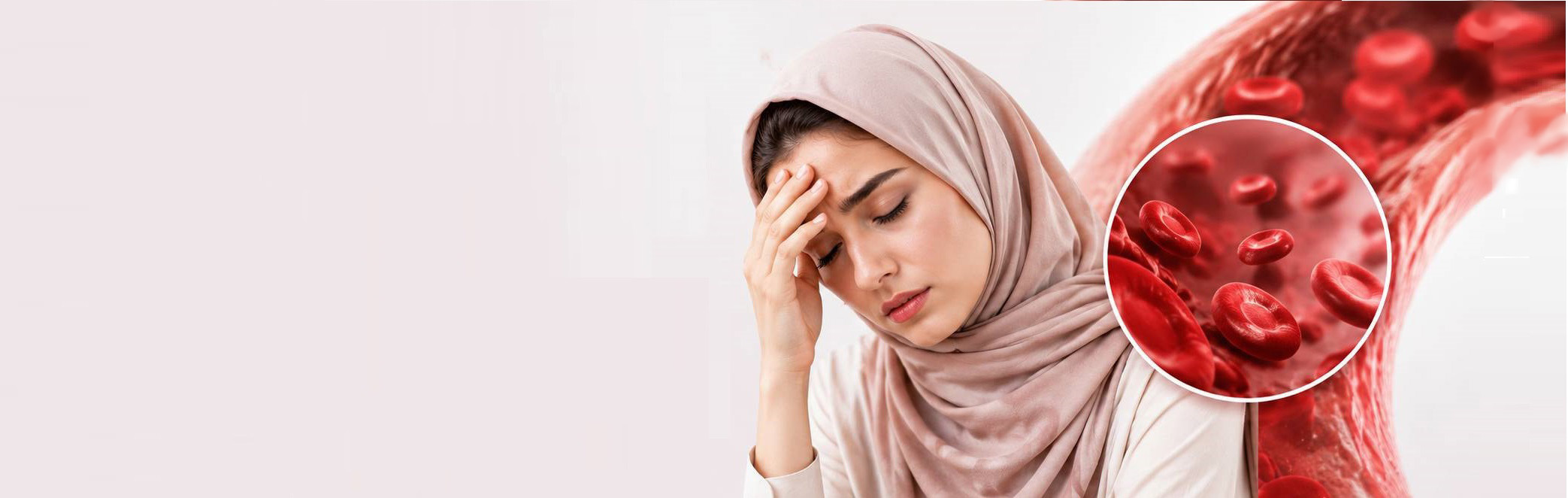
Does anemia in women cause infections?
Women's anemia is one of the most common health problems worldwide, which can have various negative effects on body functions, including the immune system. Many women of reproductive age suffer from anemia for different reasons such as menstruation, pregnancy, poor diet, and underlying diseases. But can anemia increase the risk of infection, especially genital infections?
In this article, we examine the types of anemia, its causes and symptoms, as well as the relationship between women’s anemia and vaginal infections.
What is anemia and why is it more common in women?
Anemia occurs when the number of red blood cells or the amount of hemoglobin in the blood falls below normal levels. Hemoglobin is the molecule that carries oxygen throughout the body; therefore, its reduction can lead to decreased oxygen supply to tissues.
Why are women more prone to anemia?
• Heavy and prolonged menstruation
• Pregnancy and breastfeeding
• Restricted diets
• Insufficient intake of iron and essential vitamins such as B12 and folate
• Gastrointestinal diseases such as celiac disease or ulcerative colitis
Common types of anemia in women
Women’s anemia may have various causes. Below are some of the most common types:
1. Iron deficiency anemia
The most common type in women, caused by reduced intake or absorption of iron, or loss of it (for example, during menstruation or pregnancy).
2. Megaloblastic anemia
Occurs due to deficiency of vitamin B12 or folic acid and may affect cell division and immune function.
3. Hemolytic anemia
In this condition, red blood cells are destroyed earlier than normal, which may occur due to autoimmune or genetic diseases.
4. Sickle cell anemia
A genetic disorder in which red blood cells take an abnormal shape, disrupting oxygen delivery.
Common symptoms of anemia in women
Symptoms vary according to the severity and type of anemia, but the most common include:
• Persistent fatigue or weakness
• Pale skin and mucous membranes
• Shortness of breath even with light activity
• Cold hands and feet
• Dizziness or headache
• Heart palpitations
• Brittle or cracked nails
• Mouth sores and tongue inflammation
• Craving for non-food substances such as soil or ice (pica)
Relationship between anemia and increased risk of infection
Anemia, especially when caused by iron or vitamin deficiency, can weaken the body's immune system. White blood cells, which play a vital role in defending the body against pathogens, need an oxygen-rich environment and adequate micronutrients such as iron to function properly. A shortage of these elements can reduce the production and effectiveness of immune cells.
Does women’s anemia cause vaginal infections?
The short answer is yes. Multiple scientific studies have shown that iron deficiency anemia in women can increase the risk of vaginal infections such as bacterial vaginosis (BV) and recurrent vulvovaginal candidiasis (RVVC).
Possible mechanisms:
• Reduced ability of the immune system to control bacterial and fungal growth in the vaginal area
• Negative effects on immune cell function and local vaginal defense
• Imbalance in the normal vaginal flora (beneficial bacteria)
• Increased intestinal permeability that allows inflammatory substances to enter the bloodstream
Iron deficiency during pregnancy and increased risk of vaginitis
Studies have shown that iron deficiency during pregnancy, especially in the first trimester, is associated with a higher risk of bacterial vaginosis. This condition not only exposes the mother to infection but may also lead to complications such as preterm birth or low infant weight.
Strategies to reduce infection risk in anemic women
If you are a woman suffering from anemia, by following a few tips you can prevent vaginal infections:
1. Regular intake of iron, vitamin B12, and folate supplements
2. Regular check-ups with your doctor to assess hemoglobin and iron stores
3. Proper personal hygiene for the genital area (using mild, fragrance-free cleansers)
4. Wearing breathable cotton underwear
5. Avoiding frequent vaginal douching that can disrupt pH balance
6. Maintaining a healthy, varied diet rich in iron sources such as red meat, leafy vegetables, and legumes
Conclusion
Women’s anemia can cause uncomfortable symptoms such as fatigue, paleness, and weakness, but it also threatens vaginal health. Iron and nutrient deficiencies weaken the immune system and make the body vulnerable to infections, including vaginitis. With early diagnosis, proper treatment, and good hygiene practices, this cycle can be broken and both general and reproductive health preserved.