Can a urinary tract infection cause urinary incontinence and bladder problems?
Urinary tract infection (UTI) is one of the most common diseases that can affect any part of the urinary system, including the kidneys, bladder, ureters, and urethra. However, most infections occur in the lower urinary tract, namely the bladder and urethra.
Urinary Tract Infection in Women; A Common Condition with Serious Complications
Urinary tract infections are very common in women and may cause symptoms such as a burning sensation during urination, frequent urination, urgency, and even pelvic pain. If not treated in time, the infection may spread to the kidneys and lead to complications such as kidney damage or sepsis (blood infection).
Common Types of Urinary Tract Infections
• Bladder infection (Cystitis): Usually caused by the bacterium Escherichia coli (E. coli), which normally lives in the digestive tract.
• Urethral infection (Urethritis): Usually occurs when bacteria spread from the anus to the urethra and may also result from sexually transmitted infections such as chlamydia or gonorrhea.
Complications of Untreated Urinary Tract Infection
If left untreated, a urinary tract infection may lead to the following:
• Recurrent infections in women
• Permanent kidney damage
• Increased risk of premature birth or low birth weight in infants
• Narrowing of the urethra in men
• Sepsis (a serious systemic infection)
The Relationship Between Urinary Tract Infection, Urinary Incontinence, and Bladder Problems
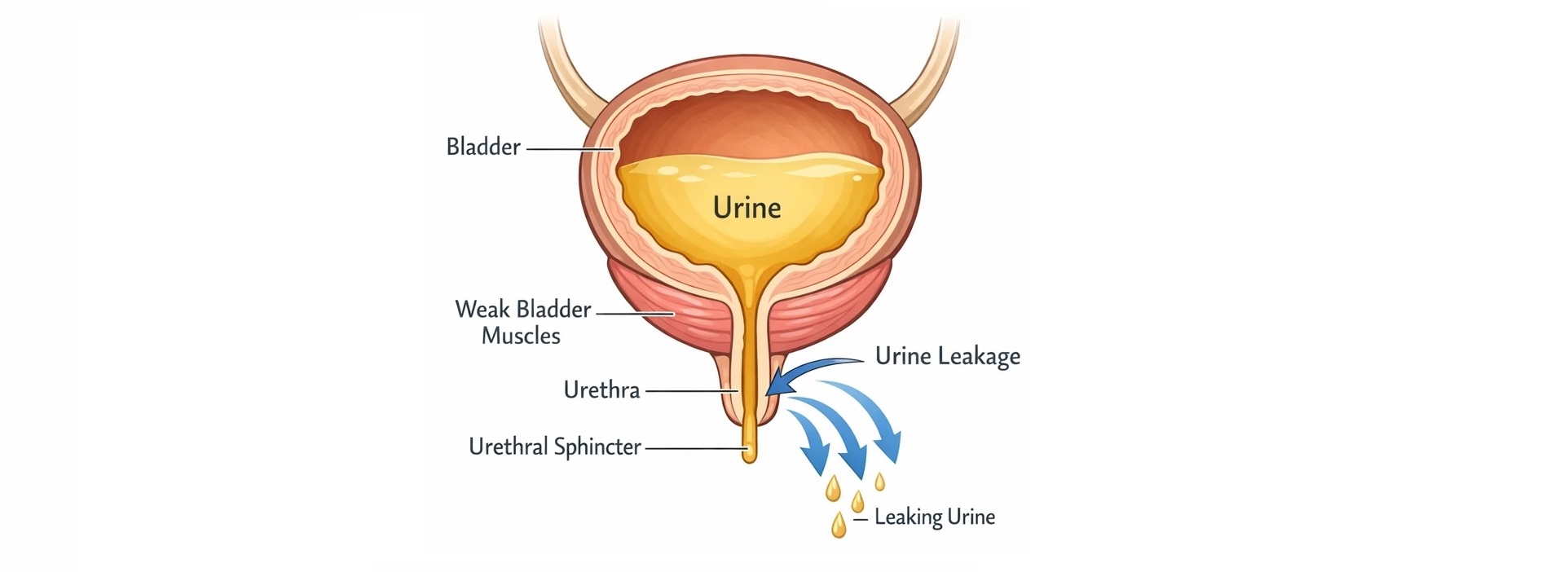
Recurrent urinary tract infections can cause chronic irritation and inflammation of the bladder. This inflammation may lead to symptoms such as frequent urination, sudden urgency to urinate, and even urinary incontinence.
Urinary incontinence is a common condition that can range from slight leakage of urine during sneezing or coughing to uncontrollable urgency. Chronic urinary tract infections are one of the factors that can worsen this disorder, especially in elderly women or patients with diabetes and neurological disorders.
Common Symptoms of Urinary Tract Infection
• Burning sensation during urination
• Frequent and urgent need to urinate
• Lower abdominal or pelvic pain
• Blood in the urine
• Feeling that the bladder is not completely emptied
What Factors Increase the Risk of Urinary Tract Infection?
• Frequent sexual activity
• Use of contraceptive methods such as diaphragms or spermicides
• Menopause and decreased estrogen levels
• Kidney stones or urinary tract obstruction
• Long‑term use of catheters
• Weak immune system
• Structural abnormalities or surgeries of the urinary tract
How Is Urinary Tract Infection Diagnosed?
• Urine test: Checking for the presence of white blood cells, red blood cells, and bacteria
• Urine culture: To identify the type of bacteria and select the appropriate antibiotic
• Ultrasound or CT scan: If needed, to evaluate deeper infections
• Cystoscopy: Direct examination of the inside of the bladder and urethra
Treatment of Urinary Tract Infection
Common treatment includes taking antibiotics based on urine culture results. In addition, drinking enough water, maintaining personal hygiene, completely emptying the bladder, and avoiding irritants such as scented soaps or detergents can help.
Final Words About Urinary Tract Infection
Urinary tract infection is one of the most common health problems, especially among women. If left untreated, it may lead to serious complications such as kidney damage and urinary incontinence. If symptoms appear, it is important to consult a doctor immediately and avoid self‑medication. This condition can often be prevented by maintaining proper hygiene, drinking enough fluids, and following a healthy diet.